Water sources background
Water sources guide for real farms

Understand the main water sources for your farm

See how aflaj, wells, canals, rainwater, municipal, desalinated and recycled water compare – so you can plan irrigation that matches your budget and local reality in Oman and the Gulf.

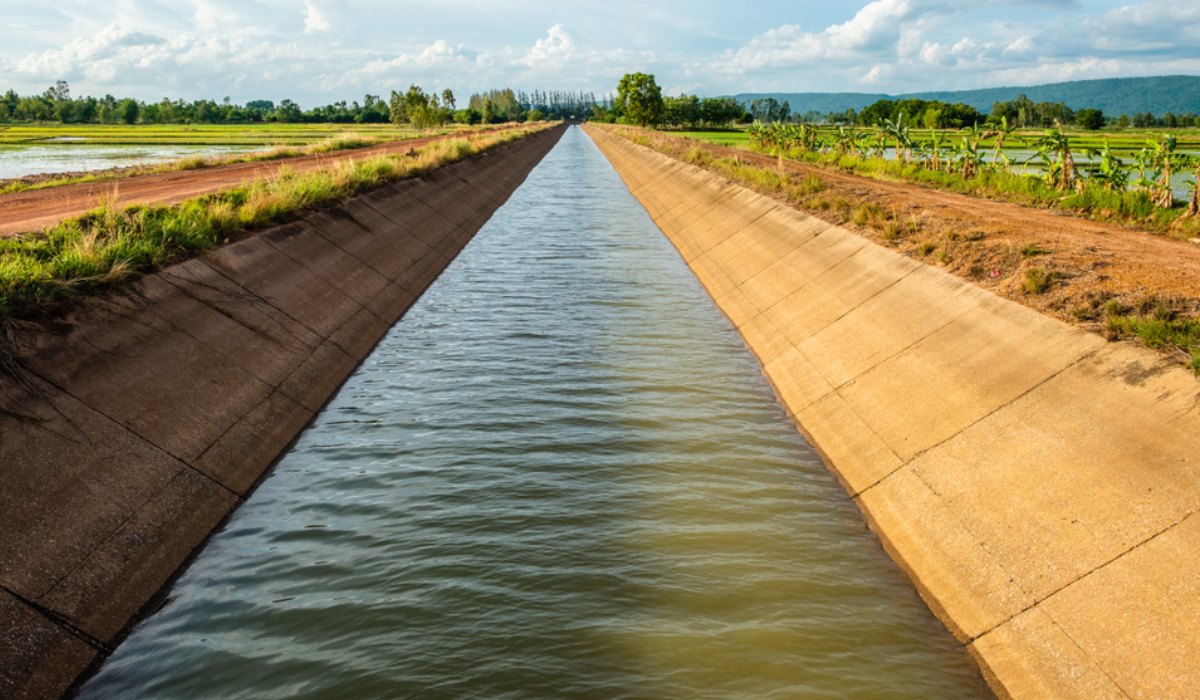
Canal Water

Canal Water

Channelled surface water that feeds whole farming regions from one main source.

Medium quality Cost: Low

Surface water flowing in man‑made irrigation canals that distribute water from dams, wadis or rivers to farms in Oman and the wider GCC.

Best suited for

  • • Large irrigation schemes supplied from dams or seasonal wadis
  • • Farms located along government or community irrigation canals
Desalinated Water

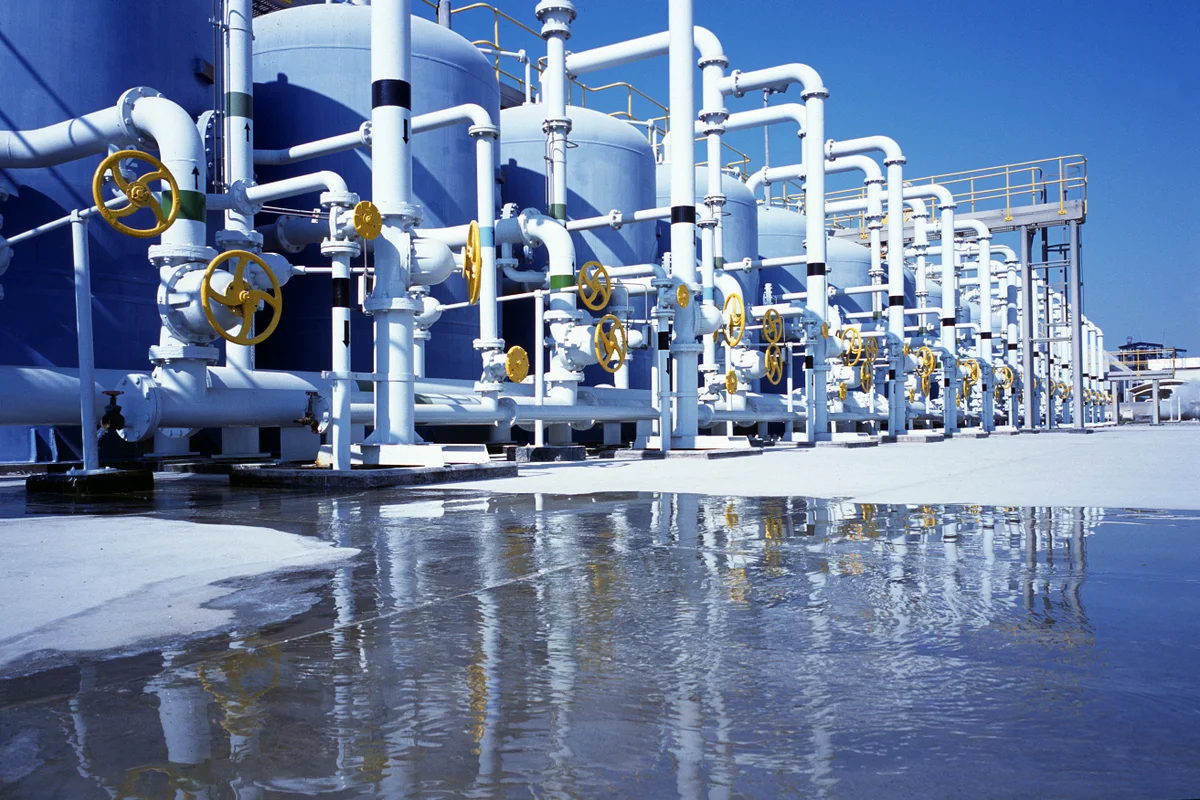
Desalinated Water

Very clean water source when salinity is a concern for crops and soils.

High quality Cost: Very_High

Desalinated seawater supplied through pipelines or tankers for agricultural use on the farm.

Best suited for

  • • Farms in coastal or arid areas with salty groundwater
  • • Greenhouses and nurseries growing sensitive vegetables or flowers
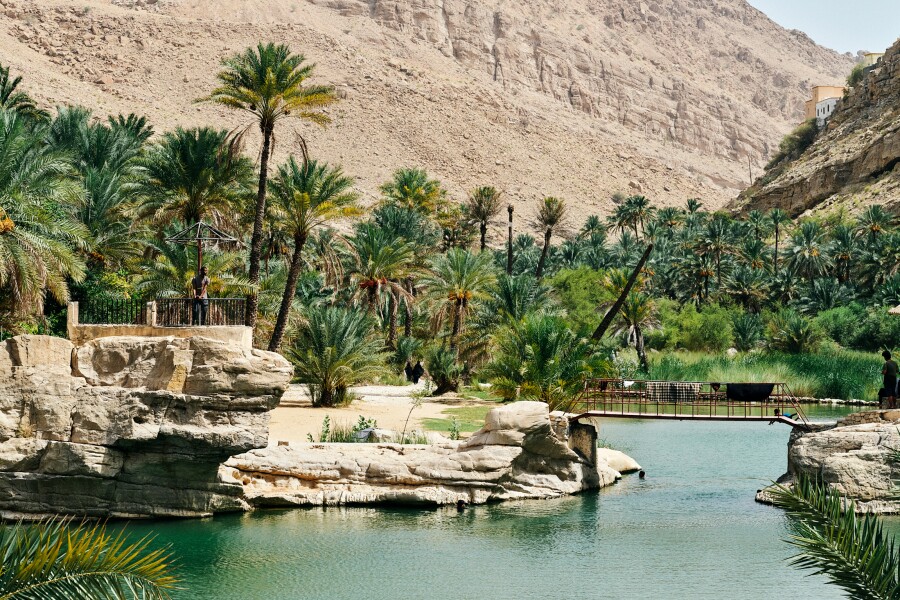
Falaj Water (Aflaj)

Falaj Water (Aflaj)

Heritage water system that keeps Omani farms alive even in the dry season.

Varies Cost: Low

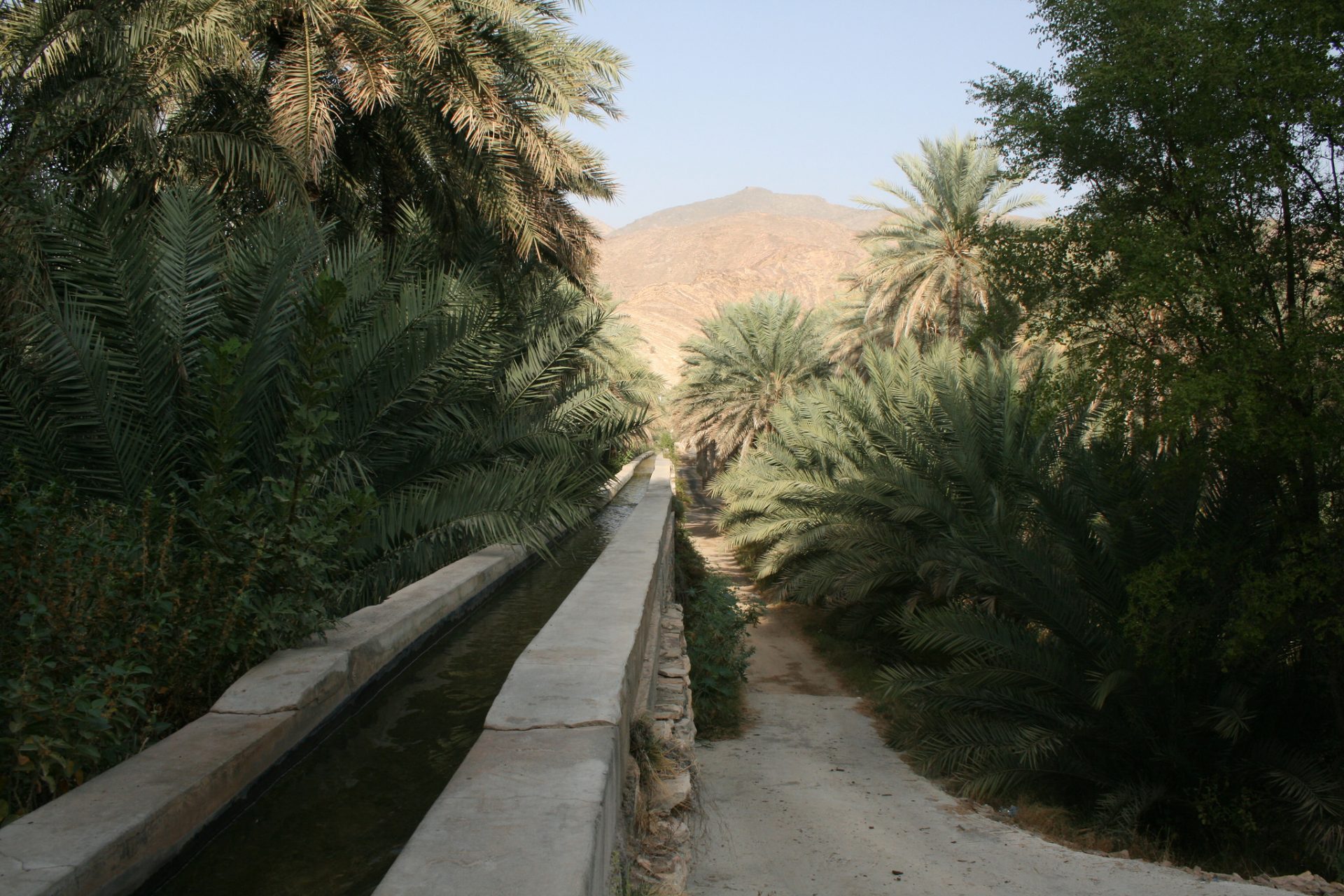
Traditional falaj (aflaj) irrigation channels common in Oman and parts of the GCC.

Best suited for

  • • Date palm farms and mixed orchards in Oman and the GCC
  • • Traditional family farms built around aflaj channels
Municipal Water

Municipal Water

Clean and consistent water quality, ideal when other farm sources are limited.

High quality Cost: High

Treated city water supply delivered through the municipal network to farms, houses or storage tanks.

Best suited for

  • • Small and peri‑urban farms located close to towns and cities
  • • High‑value crops and nurseries that need very clean water
Rainwater

Rainwater

Free, soft water from the sky – ideal for saving costs and protecting soil from salts.

High quality Cost: Very_Low

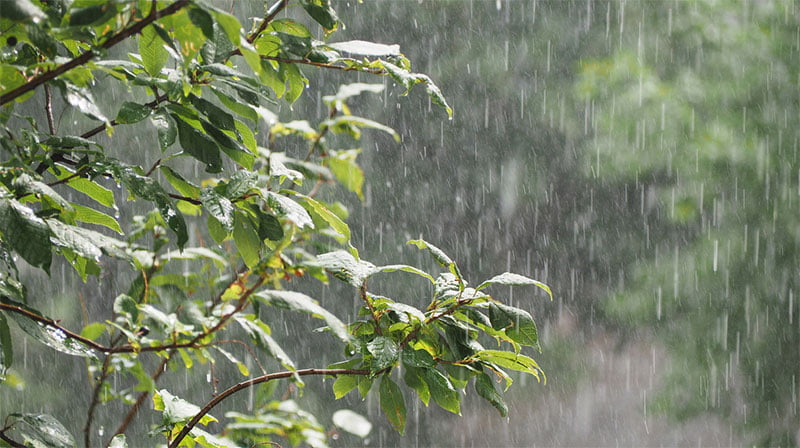
Collected rainwater stored in tanks, ponds or small reservoirs for later irrigation on the farm.

Best suited for

  • • Hill and mountain farms that receive good seasonal rainfall
  • • Greenhouses and nurseries that benefit from soft, low-salt water
Recycled Water

Recycled Water

Turning waste into a reliable irrigation resource for water‑scarce regions.

Medium quality Cost: Medium

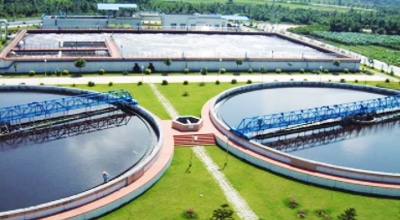
Treated wastewater from municipal networks or on‑farm treatment systems that is made suitable for irrigation.

Best suited for

  • • Farms near towns with access to treated wastewater networks
  • • Fodder, landscape and non‑food crops in line with local regulations
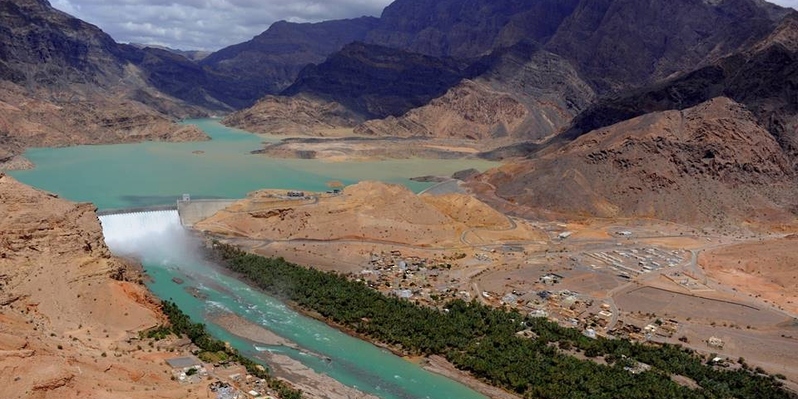
River Water

River Water

Strong flowing surface water that can feed many fields when river levels are good.

Varies Cost: Low

Surface water taken directly from rivers or seasonal wadis and diverted to farms for irrigation.

Best suited for

  • • Farms located near rivers, wadis or flood‑irrigated plains
  • • Large fodder or cereal areas that benefit from abundant flow when available
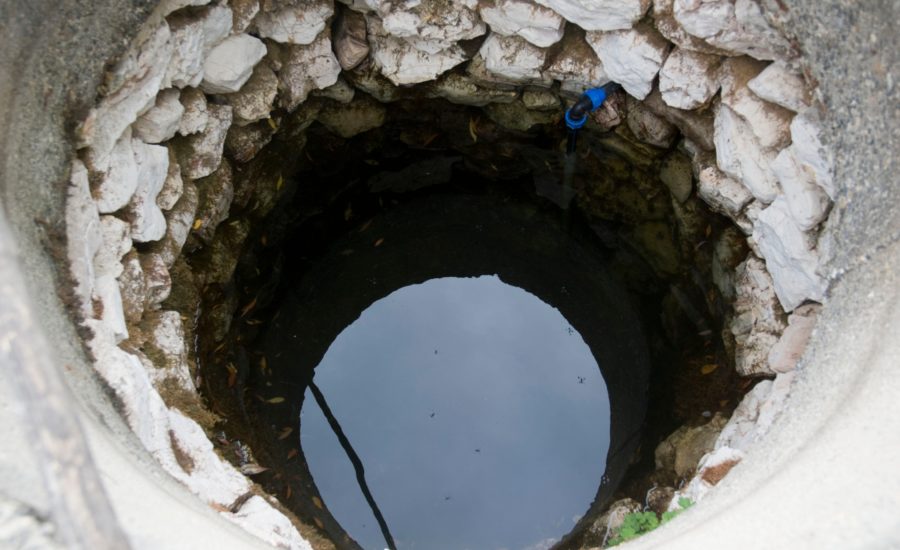
Well Water

Well Water

Reliable groundwater source for most farms in Oman and the Gulf.

Varies Cost: Low

Groundwater pumped from farm or community wells, widely used in Oman and the GCC.

Best suited for

  • • Vegetable and fodder farms that irrigate regularly from wells
  • • Date palm and fruit orchards with deep-rooted trees
Frequently Asked Questions

Got questions? We've got answers

Find answers to common questions about Zarraak and how it can help manage your farm.