Silt Soil
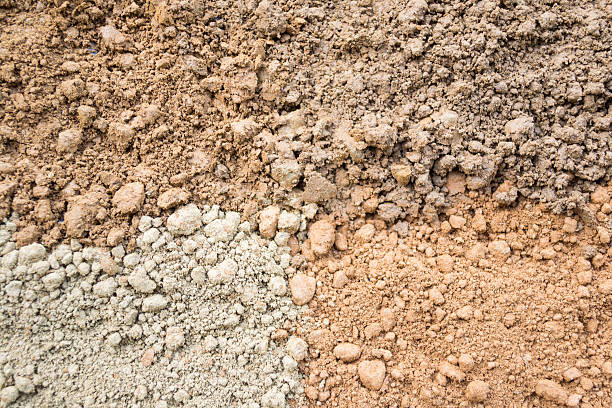
Fine-grained, fertile soil formed from sediment deposits, typically found in wadi beds and floodplains in Oman. Less common than sandy or clay soils but highly productive where it occurs. Excellent for vegetable production and grain crops due to its fine texture and good fertility. Found naturally in some interior wadis where alluvial deposits have accumulated over time.
Water retention
medium
Drainage
moderate
Common in Oman
Best crops for this soil
Irrigation recommendations
Moderate irrigation frequency - 2-3 times per week during hot season. Fine texture means uniform water distribution. Avoid overwatering to prevent compaction.
Technical specifications
pH Range
6.5-8.0
Texture
Very fine, smooth, feels like flour when dry
Organic Matter
Medium-High (3-6%) in natural deposits
Seasonal considerations
Summer
Moderate irrigation needed. Fine texture warms quickly. Monitor for surface crusting in dry conditions.
Winter
Good water retention means less frequent irrigation. Watch for waterlogging if drainage is poor.
Spring
Excellent for planting - fine texture allows easy seed-to-soil contact. Ideal germination conditions.
Monsoon
Natural deposits benefit from seasonal flooding. Fine particles settle and enrich the soil further.
Common challenges
- Can become compacted easily, especially when wet
- Surface may crust over in dry conditions, affecting seed emergence
- Less common naturally in Oman - limited distribution
- May erode if not protected, especially in wadi beds
- Can be prone to waterlogging if drainage is not adequate
Success tips
- Use light tillage to prevent compaction - avoid heavy equipment when soil is wet
- Mulch beds to prevent surface crusting and maintain moisture
- Rotate crops to maintain soil health and prevent nutrient depletion
- Install gentle drainage if waterlogging becomes an issue
- Protect from erosion with cover crops or barriers if in wadi areas
- Take advantage of natural fertility but supplement with organic matter to prevent compaction