Loam Soil
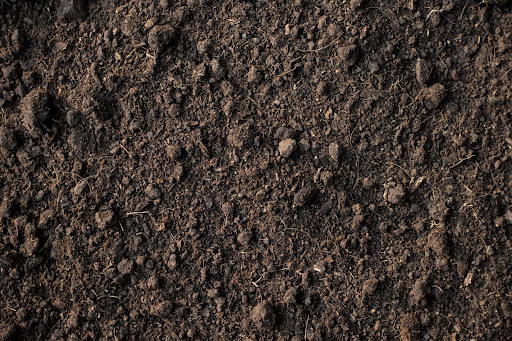
The ideal balanced soil type, though less common naturally in Oman. Found in some wadi valleys and areas with mixed alluvial deposits. Perfect combination of sand, silt, and clay providing excellent growing conditions. Considered the 'gold standard' for most crops due to balanced water retention and drainage.
Water retention
medium
Drainage
good
Common in Oman
Best crops for this soil
Irrigation recommendations
Moderate irrigation frequency works best. Usually 2-3 times per week during hot season. Loam provides flexibility - adjust based on crop needs.
Technical specifications
pH Range
6.5-8.0
Texture
Smooth, crumbly when moist
Organic Matter
Moderate (3-5%)
Seasonal considerations
Summer
Moderate irrigation schedule. Can handle 2-3 times per week. Adjust based on specific crop requirements.
Winter
Reduce irrigation but less risk than clay. Flexible watering schedule based on weather.
Spring
Perfect planting conditions. Soil is easy to work and provides excellent conditions for seed germination.
Monsoon
Excellent drainage prevents waterlogging while retaining beneficial moisture for crops.
Common challenges
- Less common naturally in Oman - often needs to be created through soil improvement
- May require mixing of different soil types to achieve ideal composition
- Initial cost to create or improve soil to loam quality
- Maintaining balance requires ongoing organic matter additions
Success tips
- If starting with sandy or clay soil, gradually add amendments to move toward loam composition
- Maintain organic matter levels to preserve the balanced structure
- Rotate crops to prevent nutrient depletion from any single crop type
- Use cover crops during off-season to add organic matter naturally
- Avoid over-compaction - loam is forgiving but still needs care
- Test soil regularly to catch any imbalance early before it becomes a problem