Clay Loam Soil
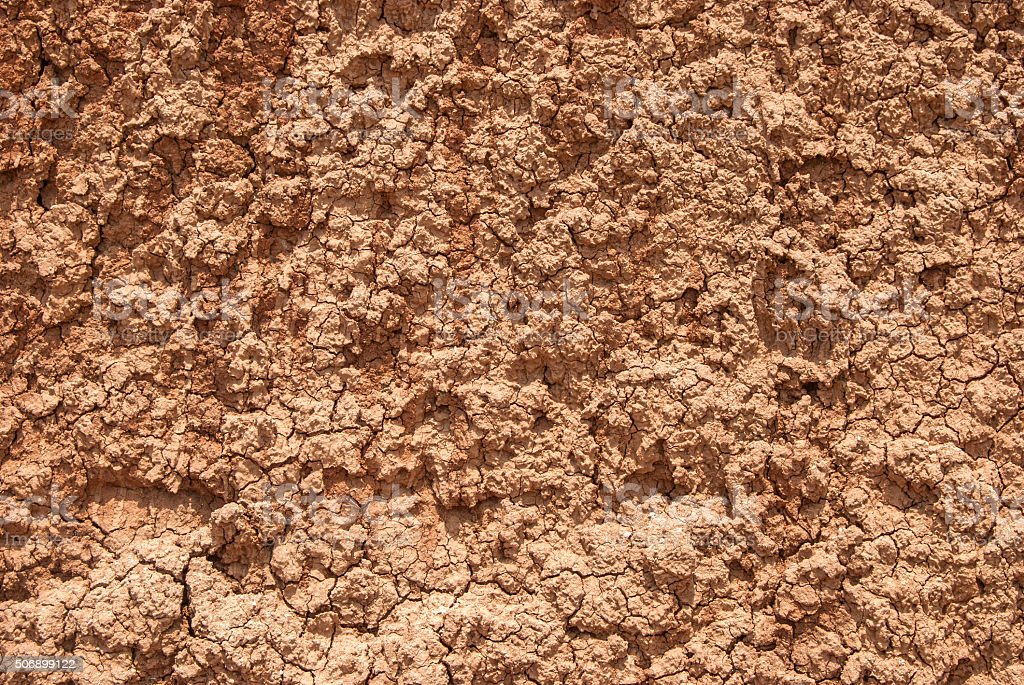
A productive mix of clay and loam that offers strong water and nutrient retention with better workability than heavy clay. Found in some interior valleys and terraced fields where farmers have improved clay soils over time.
Water retention
medium_high
Drainage
moderate
Common in Oman
Best crops for this soil
Irrigation recommendations
Irrigate less frequently than sandy or sandy loam soils. Deep irrigation 1-2 times per week in hot season is often enough if drainage is adequate.
Technical specifications
pH Range
7.3-8.4
Texture
Firm but friable when managed well; mix of fine clay and loam particles
Organic Matter
Medium (2-4%) in improved fields
Seasonal considerations
Summer
Deep irrigation every 7-10 days may be sufficient, depending on crop and temperature.
Winter
Very little irrigation needed. Monitor closely to avoid waterlogging.
Spring
Excellent for establishing fruit trees and perennials as soil stays moist but workable.
Monsoon
Retains rainfall well. Ensure drainage channels are clear to prevent waterlogging.
Common challenges
- Can still suffer from compaction if worked when too wet
- Moderate drainage means risk of waterlogging in low-lying areas
- Surface crusting can occur if organic matter is low
- Requires careful timing of field operations to avoid damaging soil structure
Success tips
- Use raised beds or ridges for vegetables to improve drainage.
- Install simple field drains to move excess water away from tree roots.
- Add organic matter regularly to keep the soil loose and easy to work.
- Plan irrigation timing carefully so soil has time to drain between waterings.