Clay Soil
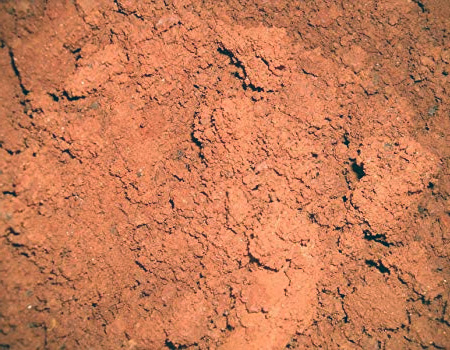
Found primarily in interior valleys and mountainous regions of Oman, especially around Nizwa, Jabal Al Akhdar, and Ad Dakhiliyah. Excellent for water conservation but requires careful irrigation management. Ideal for pomegranates, citrus, and fruit trees that benefit from water retention.
Water retention
high
Drainage
poor
Common in Oman
Best crops for this soil
Irrigation recommendations
Less frequent but deeper irrigation cycles. Allow soil to dry between waterings to prevent waterlogging. Schedule 1-2 times per week, depending on season.
Technical specifications
pH Range
7.5-8.5
Texture
Fine, sticky when wet, hard when dry
Organic Matter
Medium-High (2-5%)
Seasonal considerations
Summer
Less frequent irrigation needed. Deep watering every 7-10 days is usually sufficient. Watch for surface cracking.
Winter
Reduce irrigation significantly. Clay holds water longer - risk of waterlogging in cool weather.
Spring
Good time for planting. Soil holds moisture well for new plantings. Avoid working soil when wet.
Monsoon
Excellent water retention benefits crops. However, watch for waterlogging and root rot in poorly drained areas.
Common challenges
- Poor drainage can cause waterlogging and root rot
- Hardens when dry, making it difficult to work
- Slow to warm up in spring, delaying planting
- Can become compacted easily, limiting root growth
- Requires careful timing - too wet or too dry both problematic
- Surface cracking in summer can damage shallow roots
Success tips
- Install proper drainage systems to prevent waterlogging
- Add organic matter regularly to improve soil structure and prevent compaction
- Use raised beds for better drainage and easier root development
- Time irrigation carefully - allow soil to dry between waterings
- Avoid working soil when wet to prevent compaction
- Consider adding gypsum to improve soil structure and drainage
- Plant cover crops to add organic matter and prevent erosion
- Mulch surface to prevent cracking and reduce evaporation