Furrow Irrigation
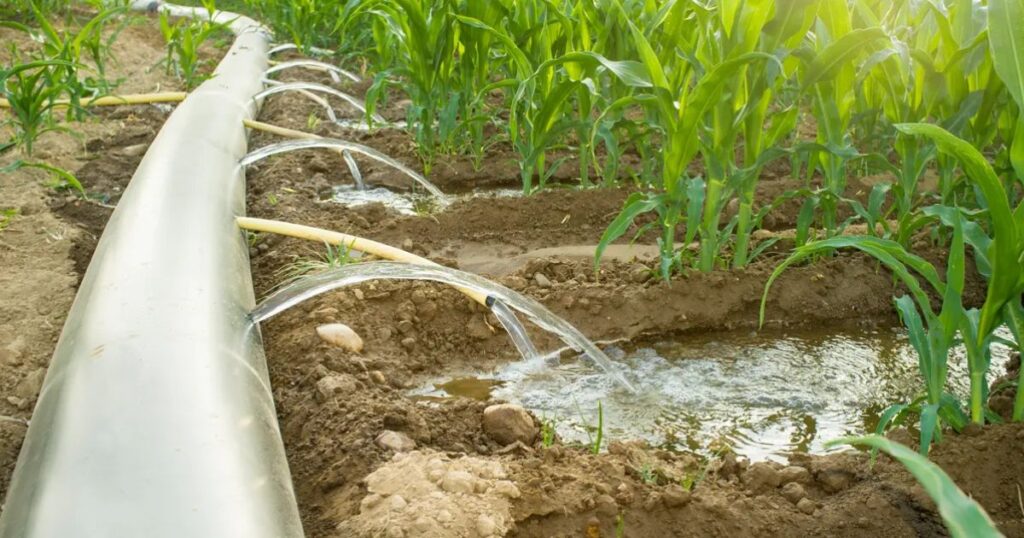
Furrow irrigation, also known as row irrigation, is a surface irrigation method where water is applied to crops through small channels or furrows constructed between crop rows. Water flows down these furrows by gravity, infiltrating into the soil and reaching plant roots. This method is commonly used for row crops like vegetables, cotton, corn, and fruit trees planted in rows. The furrows are typically created during land preparation and can be straight or contoured depending on the terrain. Furrow irrigation is more efficient than flood irrigation but less efficient than modern pressurized systems. In Oman and the GCC, furrow irrigation is still used in some traditional farming operations, particularly for row crops and orchards where water can be directed between tree rows. The system requires careful land leveling and proper furrow design to ensure uniform water distribution.
Efficiency
60%
Water savings
Low
System overview
Furrow irrigation, also known as row irrigation, is a surface irrigation method where water is applied to crops through small channels or furrows constructed between crop rows. Water flows down these furrows by gravity, infiltrating into the soil and reaching plant roots. This method is commonly used for row crops like vegetables, cotton, corn, and fruit trees planted in rows. The furrows are typically created during land preparation and can be straight or contoured depending on the terrain. Furrow irrigation is more efficient than flood irrigation but less efficient than modern pressurized systems. In Oman and the GCC, furrow irrigation is still used in some traditional farming operations, particularly for row crops and orchards where water can be directed between tree rows. The system requires careful land leveling and proper furrow design to ensure uniform water distribution.
Best for crops
Advantages
- Lower initial cost compared to pressurized systems
- Simple to operate and maintain
- Suitable for row crops and orchards
- Better water efficiency than flood irrigation
- Can be used on slightly sloped terrain with proper design
- No need for pumps or high-pressure equipment
- Familiar method for traditional farmers
- Can be combined with other irrigation methods
Disadvantages
- Lower water efficiency compared to drip or sprinkler systems
- Requires careful land leveling for uniform water distribution
- Water loss through evaporation and deep percolation
- Can cause soil erosion if not properly managed
- Uneven water distribution along furrow length
- Requires more labor for operation and maintenance
- Not suitable for very sandy soils (high infiltration)
- Can lead to waterlogging at furrow ends