Drip Irrigation
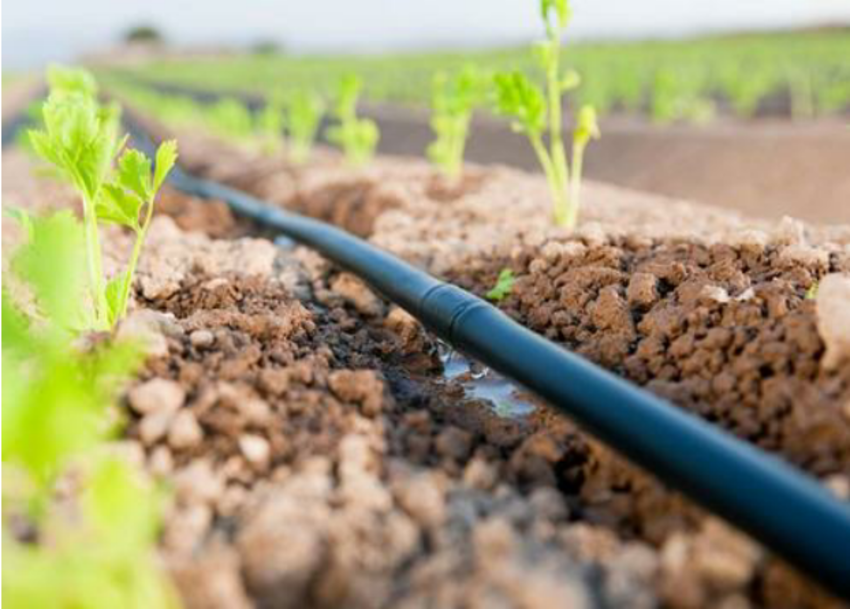
Drip irrigation, also known as trickle irrigation, delivers water directly to the root zone of plants through a network of valves, pipes, tubing, and emitters. This precision irrigation method applies water slowly and uniformly, minimizing evaporation and runoff. The system operates at low pressure and can be automated with timers and sensors, making it ideal for both small gardens and large commercial farms. Drip irrigation is particularly effective in arid regions like Oman and the GCC, where water conservation is critical. It allows farmers to apply water and nutrients precisely where needed, reducing waste and improving crop yields.
Efficiency
90%
Water savings
High
System overview
Drip irrigation, also known as trickle irrigation, delivers water directly to the root zone of plants through a network of valves, pipes, tubing, and emitters. This precision irrigation method applies water slowly and uniformly, minimizing evaporation and runoff. The system operates at low pressure and can be automated with timers and sensors, making it ideal for both small gardens and large commercial farms. Drip irrigation is particularly effective in arid regions like Oman and the GCC, where water conservation is critical. It allows farmers to apply water and nutrients precisely where needed, reducing waste and improving crop yields.
Best for crops
Advantages
- Saves 30-50% more water compared to surface irrigation methods
- Reduces weed growth by only watering plant root zones
- Prevents leaf diseases by keeping foliage dry
- Allows precise application of fertilizers through fertigation
- Works well on uneven terrain and slopes
- Can be automated for consistent watering schedules
- Reduces labor costs for irrigation management
- Improves crop yield and quality through optimal water delivery
Disadvantages
- Higher initial installation cost compared to traditional methods
- Requires regular maintenance to prevent clogging of emitters
- Needs filtration system to prevent blockages from sediment and debris
- Can be damaged by rodents or farm equipment if not properly protected
- Requires technical knowledge for proper design and installation
- May need periodic flushing to remove mineral deposits
- Initial setup time is longer than surface irrigation systems